Content advisory: This conversation discusses domestic abuse, emotional abuse and mental health struggles.
Watch the Conversation
How well do we really know the people around us?
We see the successful colleague, the confident friend, the person who always seems to have everything under control. We admire their independence, their achievements and their ability to manage whatever life throws their way. Yet we rarely know everything that’s happening behind the scenes.
Rebecca Lazzelle was one of those people. She had built a successful corporate career and was working towards the life she’d always imagined. To those around her, she appeared confident, capable and independent. What they couldn’t see was that she was gradually losing herself in a marriage she didn’t initially recognise as abusive.
In this conversation, Rebecca shares how difficult it can be to recognise domestic abuse when it doesn’t involve physical violence, and how love, hope and the good moments in a relationship can make it complicated to understand what’s happening.
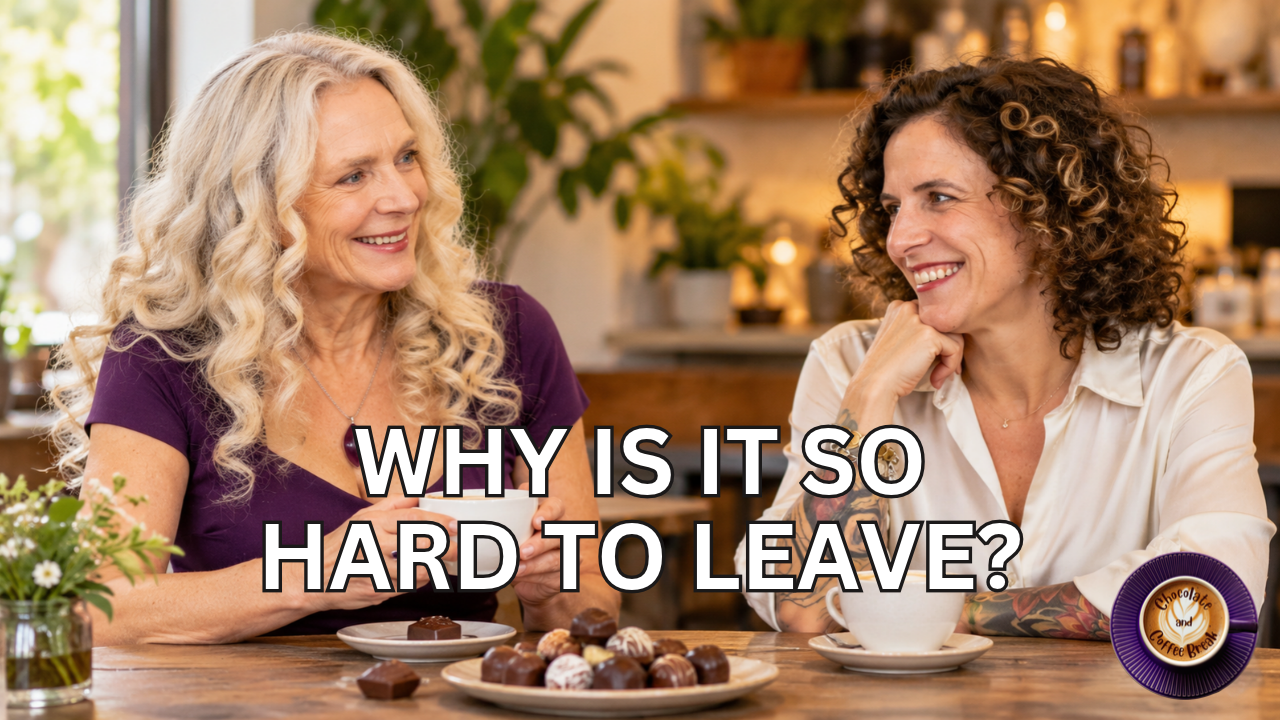
Together, we explore one of the questions people so often ask when they hear about an abusive relationship: Why didn’t you leave?
Rebecca’s answer invites us to look beyond our assumptions and consider the emotional complexity of someone else’s experience. We also talk about the reactions people can encounter when they share what they’ve been through, and how friends and family can offer support without judgment.
At the heart of this conversation is a question that reaches beyond domestic abuse. How can we become more compassionate towards people whose experiences and decisions we don’t fully understand?
What We’ll Explore
- The difference between how someone’s life appears and what they may be experiencing privately.
- Why emotional abuse, intimidation and manipulation can be difficult to recognise.
- How someone can gradually lose their sense of self within a relationship.
- Why love and hope can make leaving an abusive relationship complicated.
- The impact of other people’s reactions when someone shares their experience.
- How to support someone who may be experiencing abuse without adding to their isolation.
Brew the Change: Reach Out. Make Space to Listen.
This week, think of someone who always seems to have everything together. Perhaps it’s the colleague who never misses a deadline, the friend who’s always smiling or the person who’s usually helping everyone else.
Reach out and ask how they’re really doing. Give them your attention and make space to listen.
We never really know what someone is carrying, and sometimes the greatest act of compassion is simply letting someone know they don’t have to carry it alone.
When domestic abuse may be involved, remember that privacy and safety come first. Specialist support services can help you understand how to offer assistance safely.
About Rebecca Lazzelle
Rebecca Lazzelle is an author and former corporate professional whose life took an unexpected direction after the breakdown of her marriage and the loss of the future she’d worked towards.
Drawing on her lived experience, Rebecca now shares her story to help others recognise the complexities of unhealthy relationships, reconnect with themselves and understand that a different future is possible.
Her work includes writing, mindfulness and personal healing.
Continue the Conversation
Rebecca’s experience challenges us to reconsider what we believe we know about the people around us. It invites us to replace quick judgments with curiosity, understanding and compassion.
Because just because someone looks like they’re coping doesn’t mean they aren’t struggling. And just because we don’t understand another person’s choices doesn’t mean they don’t deserve our support.
Pour yourself a cuppa, grab your favourite chocolate and join the conversation.
Watch the full episode:
Let Love Be the Loudest Voice.
Support Resources
If you or someone you know is experiencing domestic abuse, confidential support is available.
Australia: 1800RESPECT — 1800 737 732
United States: National Domestic Violence Hotline — 800-799-7233
If someone is in immediate danger, contact local emergency services.