The Exhaustion of Always Being the First
There is a particular kind of loneliness that comes from constantly entering rooms where nobody reflects you back to yourself.
Not simply loneliness in the social sense, but the quieter exhaustion of never quite knowing whether you belong before you have even opened your mouth. Some people move through the world without ever needing to think about that. Others measure every room instinctively. Who is here? Who is missing? How much of myself is safe to bring into this space?
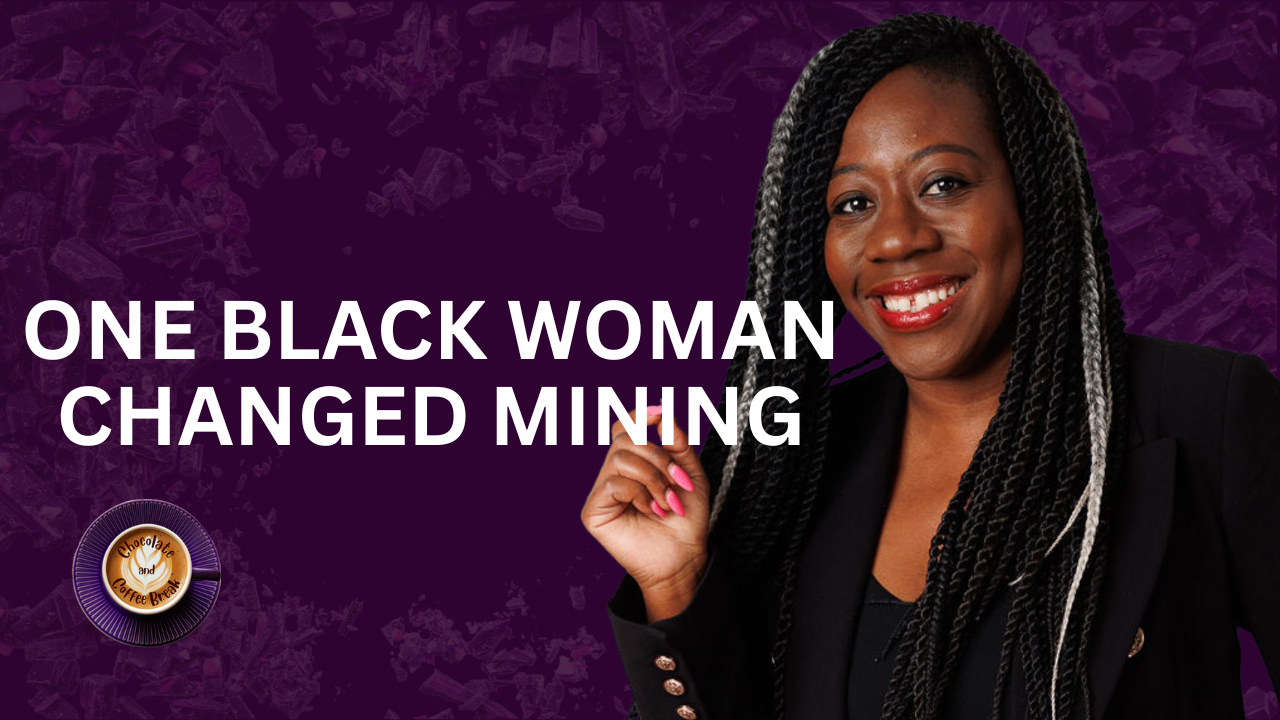
In my conversation with Brenda Denbesten, that tension sat underneath almost everything we discussed. Not loudly. Not angrily. Just steadily present. Years spent working in mining, manufacturing, and construction while being the only woman — and often the only Black woman — in the room. Years of trying to understand whether difference would be treated as value or inconvenience.
The thing that struck me was how familiar that feeling is, even outside the specific realities Brenda has navigated. Most people know what it feels like, at some point in their lives, to enter a space and quietly question themselves before anyone else has the chance to. Sometimes it is because of race. Sometimes class. Sometimes age, disability, gender, culture, grief, education, accent, faith, or simply being the person who does not know the unwritten rules everyone else seems to understand.
Belonging is rarely as effortless as people pretend it is.
Some People Learn to Stay Quiet to Survive
There is an idea many of us absorb early in life that hard work will eventually speak for itself. Keep your head down. Be capable. Be agreeable. Don’t make waves. Someone will notice eventually.
Brenda spoke openly about spending five years in a role without progression before realising that silence was not protecting her. It was keeping her invisible.
That is uncomfortable to sit with because so many people, particularly women, have been taught that visibility comes dangerously close to arrogance. To speak about your achievements can feel selfish. To ask for support can feel weak. To advocate for yourself can feel like breaking some unwritten social contract about staying pleasant and manageable.
Yet workplaces, communities, and relationships are filled with people who are quietly disappearing inside themselves because they learned that shrinking was safer than taking up space.
The conversation kept circling back to communication, but not in the polished corporate sense people often use the word. Not networking. Not performance. Something more human than that.
Brenda described communication as the bridge that helps people feel seen, heard, and valued. That sounds simple until you realise how many environments are built around efficiency rather than understanding. We move quickly past each other. We categorise each other quickly. We decide who belongs before we become curious enough to actually listen.
And once people stop feeling seen, they often stop bringing their full selves into the room.
Difference Is Often Treated Like a Problem to Solve
One of the most thoughtful parts of the conversation came when Brenda spoke about reframing difference itself.
Not tolerating it. Not managing it. Not overcoming it.
Valuing it.
That sounds obvious in theory, yet society still quietly rewards sameness. People who fit existing systems often move through them more easily. People who think differently, communicate differently, look different, or challenge assumptions often carry the burden of adaptation themselves.
Brenda described beginning to ask different questions in male-dominated environments. Why are things done this way? Could there be a better system? What are we missing because everyone solving the problem has shared the same perspective?
That shift matters far beyond mining sites or boardrooms.
Entire communities fracture when difference is automatically interpreted as threat instead of contribution. We see it politically, culturally, socially, and even within families. Curiosity disappears and defensiveness takes over. The goal becomes protecting certainty rather than understanding each other more deeply.
Yet some of the most meaningful change in human history has happened because somebody who did not fully fit the existing mould asked a question nobody else thought to ask.
The Stories People Hide Often Shape Them Most
The emotional centre of the conversation arrived unexpectedly when Brenda shared her experience of spending six weeks in a maximum security prison after being placed in a precarious situation by a former partner.
The moment mattered because she did not tell the story to shock people or manufacture inspiration from pain. She spoke about it with honesty and complexity. Not as a defining label, but as part of the landscape of who she has become.
There was something deeply human in the way she described recognising her own resilience, empathy, and gratitude through an experience she easily could have buried beneath shame.
Most people are carrying parts of their lives they are terrified will become the thing others reduce them to. A mistake. A failure. A humiliation. A season they survived but do not know how to speak about openly.
The danger is not only judgment from others. It is the way people begin judging themselves.
That is why conversations grounded in dignity matter. They create spaces where people can exist as more than the worst thing that happened to them, the stereotype attached to them, or the assumptions made about them before anyone knew their story.
Brew the Change
Real connection rarely begins with grand gestures. More often, it begins with the willingness to slow down long enough to notice the people who exist around us but remain unknown to us.
In this episode, the Brew the Change challenge was simple: share a chocolate and coffee with someone you do not really know. Someone in your workplace, social circle, or community. Listen to their story. Ask about their life and what matters to them.
The challenge sounds small, but perhaps that is precisely the point.
Most division survives through distance. Through assumptions. Through the ease of staying inside familiar circles where nothing unsettles our view of the world or ourselves. Genuine understanding usually begins in much quieter ways — one conversation, one question, one moment where somebody feels safe enough to be fully human in front of another person.
Not every conversation changes a life. But some do.
And sometimes the person we understand differently at the end of a conversation is ourselves.
So perhaps the question worth carrying forward is this:
Who exists on the edge of your world right now that you have never truly taken the time to know?