Some conversations challenge us.
Some conversations stretch us.
And some conversations do both—because they are telling the truth.
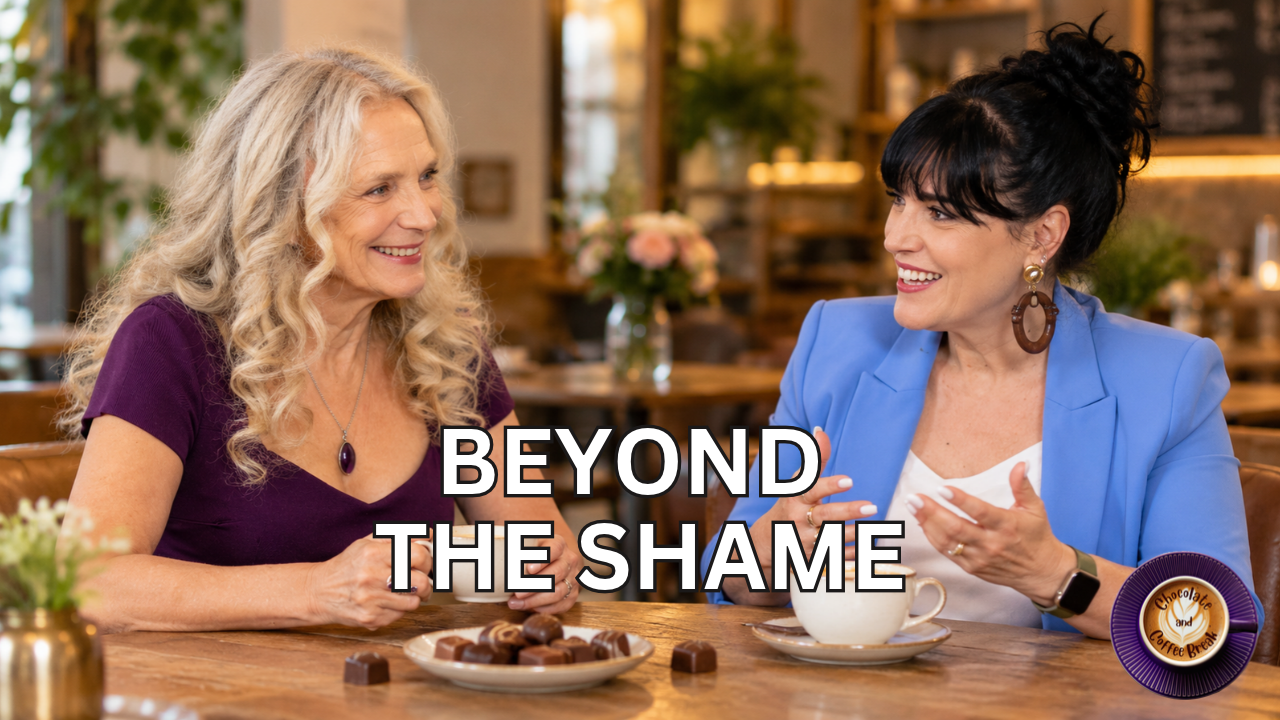
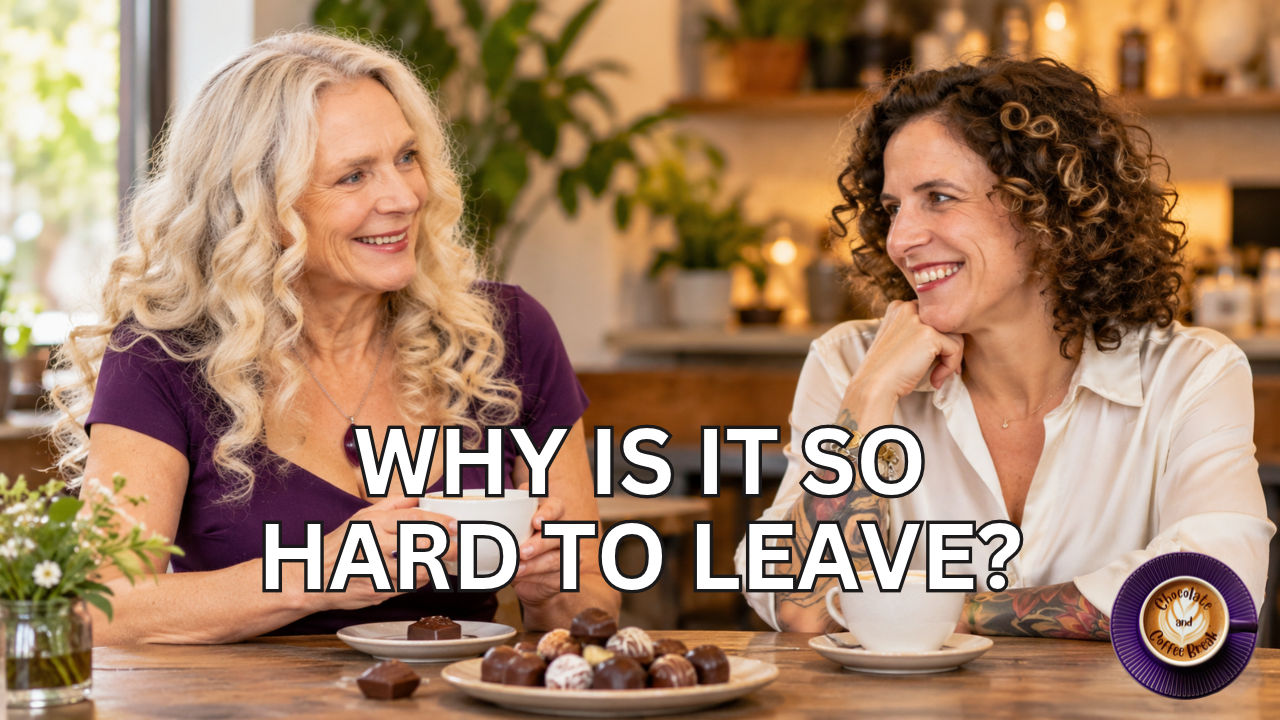
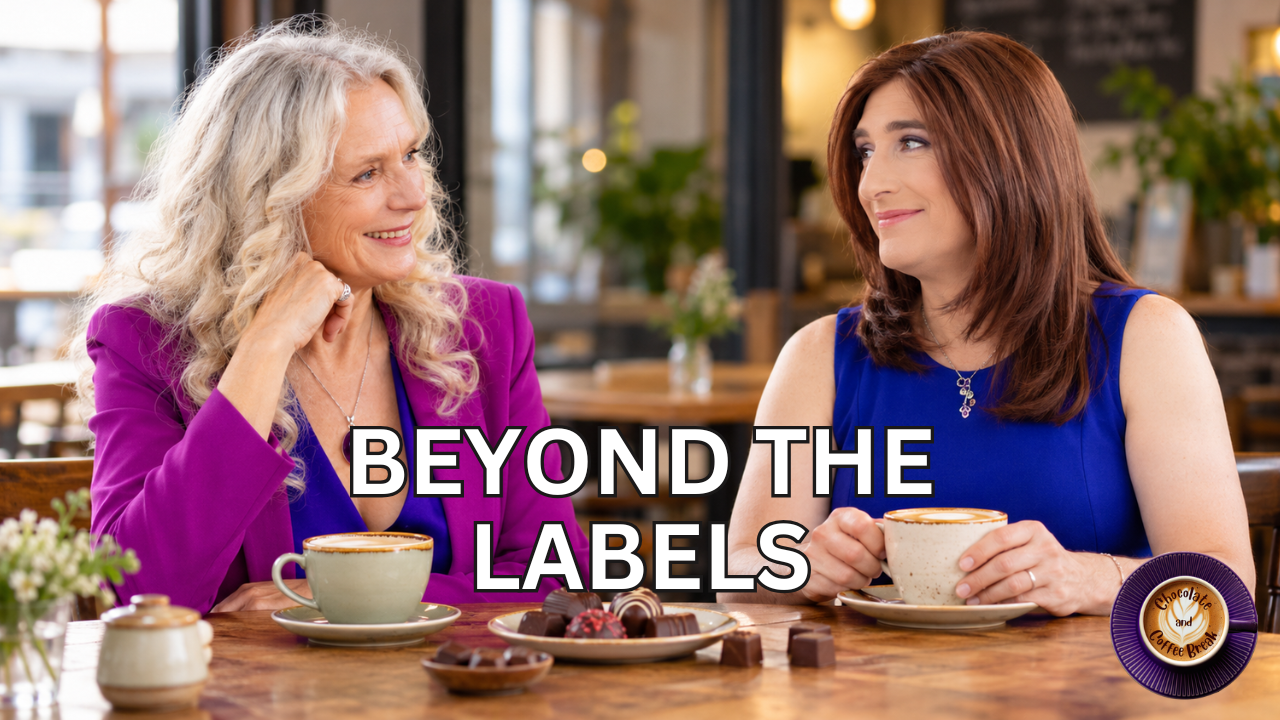
Episode 8 of Chocolate and Coffee Break, hosted by Andrea Putting, is one of those episodes.
Andrea is joined by Dr. Amanda Udis Kessler—a sociologist, ethicist, and anti-racism trainer whose work helps people uncover how everyday culture sustains inequality, and what it actually takes to dismantle it.
This episode is not about shame.
It’s about awareness.
It’s about responsibility.
And it’s about love—real love—expressed through courageous honesty.
The Conversation Starter That Sets the Tone
Andrea begins with a question that quietly opens the door to growth:
“What’s a belief you’ve had to unlearn in order to grow?”
Amanda’s answer is simple but profound: she had to unlearn the idea that she was done growing—that she was finished becoming.
Because the truth is: we can’t grow unless we believe we can.
And that becomes a theme throughout this episode: anti-racism work, like all growth, requires the humility to admit there is more to learn.
Culture Isn’t Just Arts and Traditions—It’s How We Make Meaning
Amanda offers a definition of culture that reframes everything.
Culture isn’t just music, food, art, and identity.
In Amanda’s framework, culture is:
- shared beliefs
- shared values
- assumptions we don’t question
- norms and rules that emerge from those assumptions
- the meaning systems we use to interpret the world
In other words, culture is how we make sense of life.
And because humans are meaning-makers, everything we do has a cultural layer.
That includes inequality.
So instead of saying culture merely reflects inequality, Amanda makes the case that culture can actively produce it, normalize it, and keep it alive.
A Simple Question That Reveals a Hard Truth
Amanda offers a deceptively simple question:
“Who matters?”
If we honestly look at who is treated well, who is given access, who is presumed competent, who is protected, who is believed—then we see something painful:
Some people are treated as if they matter more than others.
Not because they should… but because culture and power have taught society to act that way.
Why Privilege Is So Hard to See
A major theme in this episode is that privilege is often invisible to those who have it.
Amanda explains it this way:
We notice the ways we suffer.
But we often don’t notice the ways we benefit—because our lives simply feel “normal.”
This is why lists like Peggy McIntosh’s work on white privilege became so influential: not because they create guilt, but because they make the invisible visible.
And even then—Amanda admits something important:
Even after years of work, education, training, and activism… bias can still exist in the mind, because it was drilled into us early.
Which means the work isn’t one-and-done.
It’s ongoing.
Compassion… for Who?
One of the most striking lines discussed from Amanda’s book is:
“We tend to have compassion for the person who has a problem, while judging the person who is the problem.”
Amanda explains this through a painful example from U.S. history:
- Crack cocaine addiction (largely portrayed as Black/Hispanic) was framed as criminal and dangerous → funding went heavily toward policing and incarceration.
- Opioid addiction (largely portrayed as white) was framed as a public health crisis → funding shifted toward treatment and recovery.
Same human pain.
Different cultural story.
Different response.
That difference reveals how culture assigns compassion selectively.
The Stories That Break Your Heart—and Open Your Eyes
Amanda shares examples from her own life—such as the difference in how often white drivers are pulled over versus drivers of color, despite evidence that white drivers are more likely to have contraband in many U.S. studies.
The conversation also touches on the tragedy of Tamir Rice, an 11-year-old Black boy whose death is often discussed as one of the clearest examples of racialized fear and assumptions.
These stories aren’t shared to shock—they’re shared to wake us up.
Because if we never look, we never change.
So What Can We Do?
Andrea asks the question many people avoid but deeply want answered:
What can white people—or anyone with privilege—do to help?
Amanda offers a practical path:
- Self-education
Learn the history and the present reality. - Self-awareness
Start noticing thought patterns, assumptions, emotional reactions. - Discomfort tolerance
Learn to sit with discomfort instead of fleeing it. (Amanda even does trainings specifically on “white discomfort.”) - Action
Support community-led efforts: volunteer, donate, advocate, show up, amplify voices, follow the lead of affected communities.
And then repeat.
Because growth is a cycle.
Chocolate and Coffee Break: The Invitation
Andrea reminds listeners of the heart of this show: connection.
Sitting with someone different from you. Listening. Learning. Being human together.
Because when we take the time to truly listen—even for one hour—it becomes harder to cling to stereotypes and assumptions.
This episode is a call to do more than “mean well.”
It’s a call to become intentional.
Where to Find Dr. Amanda Udis Kessler
Amanda shares where listeners can connect with her work:
 amandaudiskessler.com
 amanda@amandaudiskessler.com
Closing
Episode 8 is not “light.”
But it is hopeful.
Because hope lives in truth.
And truth makes change possible.
So grab your chocolate.
Pour your coffee.
Find someone different from you.
Listen deeply.
And until next time…
Let love be the loudest voice.