The stories we don't see can change everything about how we understand one another. We make judgments about people all the time. Sometimes we do it without even realising. A brief encounter, an unusual appearance, an unexpected response or a difference in beliefs can be enough for us to decide what someone is like. We …
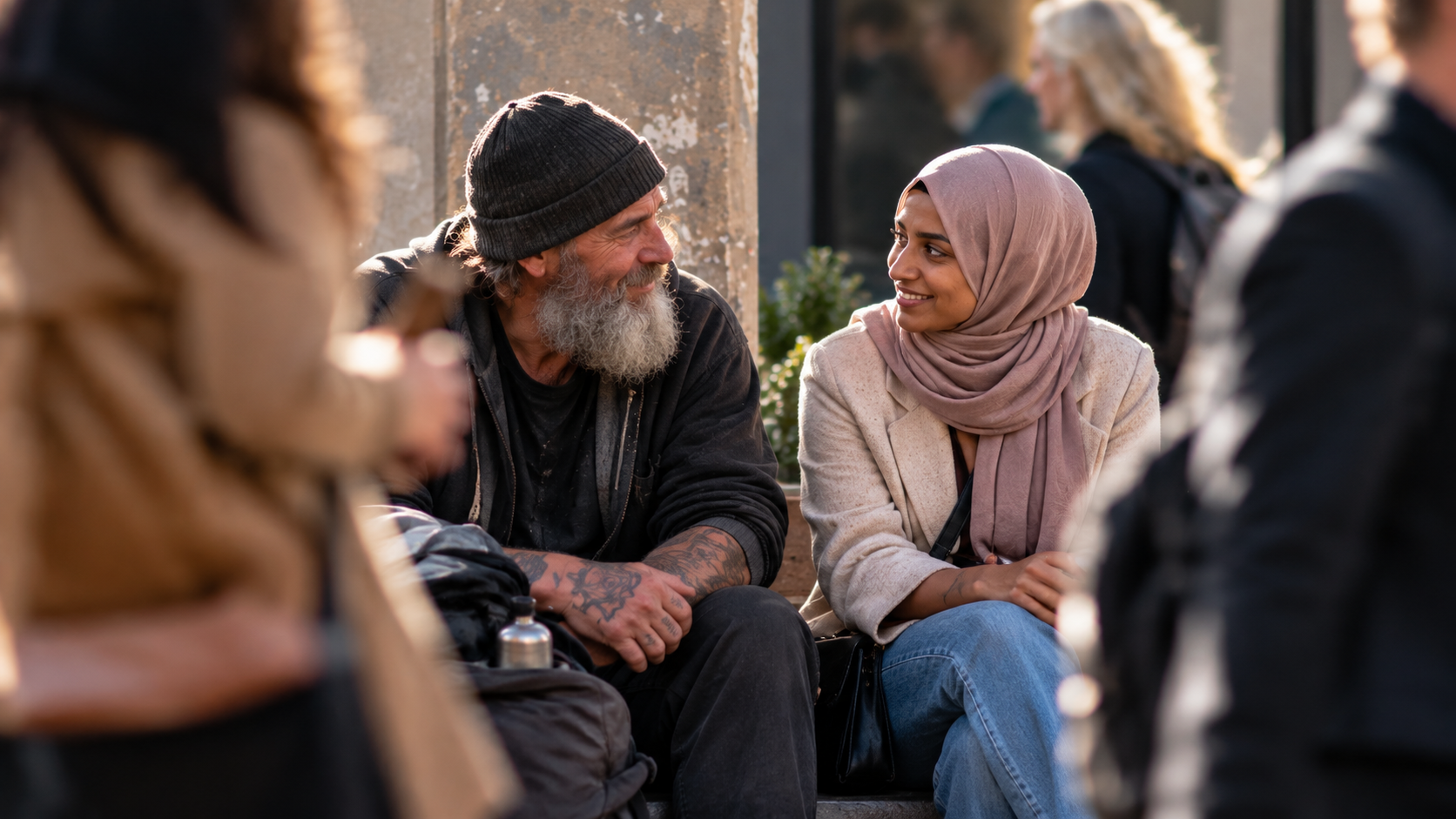
The stories we don’t see can change everything about how we understand one another.
We make judgments about people all the time. Sometimes we do it without even realising. A brief encounter, an unusual appearance, an unexpected response or a difference in beliefs can be enough for us to decide what someone is like. We rarely stop to consider how little information we actually have.
Yet every person we encounter has a story that extends far beyond the few moments we share with them. There are experiences that have shaped their decisions, fears they may never have spoken about, and parts of their lives that remain invisible to us.
What would change if we approached people with that understanding?
The Parts of Ourselves We Keep Hidden
When Savannah Hauk joined me for a Chocolate and Coffee Break, we explored what it means to live with a part of yourself that others may not understand.
Savannah is a lifelong crossdresser who lives as both Savannah and Chuck. Growing up in a conservative environment, she became aware at an early age that expressing this part of herself might lead to ridicule or rejection. She learned to keep it hidden, particularly from people whose love and acceptance mattered most.
As she grew older, that secrecy affected her relationships. It wasn’t simply a matter of choosing what to wear or how to present herself. It meant being unable to share important achievements and experiences with people who knew her in other parts of her life.
Most of us will never experience Savannah’s particular circumstances. But how many of us have held back something about ourselves because we feared another person’s reaction?
Perhaps we’ve concealed an opinion, an ambition, a personal struggle or a decision that others might not approve of. We may have worried that revealing it would change a relationship or alter someone’s opinion of us.
There is something deeply human in that desire to be accepted, and something equally human in the fear that acceptance might come with conditions.
Being Known Is Not the Same as Being Seen
One of the things Savannah explained was that being open about herself isn’t a single event. Every time she chooses to share this part of her life with someone new, there is another moment of uncertainty.
She described recently deciding to take herself out to dinner as Savannah. Although she had reservations about how people might respond, she went anyway and enjoyed a wonderful experience with the restaurant staff and other diners.
It was an ordinary evening in many respects. Yet the freedom to enjoy something as simple as dinner without hiding an important part of herself made it significant.
That experience raises a question about the environments we create for one another. Do people feel they can be themselves in our company, or do they sense that certain parts of who they are would be unwelcome?
We may believe we are accepting people, but acceptance is also communicated through our everyday words, reactions and behaviour. Someone listening to us make a dismissive remark about another person may quietly decide there are things they cannot safely share with us.
We might never know that decision has been made.
The Person Beyond the Moment
There was another aspect of Savannah’s experience that took our conversation somewhere especially meaningful.
She spoke about the compassion she has developed for people whose behaviour she doesn’t understand. Someone might be impatient in traffic, speak sharply or make a poor first impression. Rather than immediately deciding what kind of person they are, Savannah tries to remember that she knows nothing about what may be happening in their life.
She understands what it means to be seen without being known.
That doesn’t mean we must accept unkindness or excuse harmful behaviour. We can maintain boundaries while recognising that one encounter rarely tells us everything about a person.
I think this is particularly important in a world where people are so quickly categorised by their appearance, beliefs, background or opinions. Once we’ve placed someone in a category, it becomes easy to assume we know what they think, how they behave and what matters to them.
But a label cannot tell us whether someone is kind, generous, frightened, lonely, thoughtful or struggling. Those things emerge when we take the time to know them.
And sometimes, what we discover challenges the assumptions we didn’t even realise we were making.
Curiosity Can Open a Door
Savannah welcomes genuine questions from people who are curious about her experience. She understands that someone may not know the right words or may be uncertain about how to begin.
For her, the willingness to ask is often more important than getting every word right.
Of course, not everyone wants to explain their personal experiences to strangers. Curiosity must come with respect, including the willingness to accept when someone doesn’t want to answer.
But there is a difference between approaching someone as a curiosity and approaching them as another human being.
We don’t need to understand every aspect of another person’s life to find common ground. We might discover that we share a sense of humour, a love of family, an interest in music or an experience of feeling excluded. We might disagree about important things and still enjoy a meaningful conversation.
The opportunity lies in allowing the person to be more than the difference we first noticed.
Brew the Change: Look Beyond First Impressions
This week, I invite you to start a conversation with someone whose life experiences are different from yours.
It might be a person you regularly encounter but have never really spoken with. Ask a genuine question that gives them the opportunity to share something about themselves, without expecting them to explain or defend their identity.
Listen to their answer. Allow the conversation to go somewhere you didn’t anticipate.
You may discover something you have in common, something that challenges an assumption, or simply something interesting about another human being.
We cannot know someone’s entire story from one conversation. But we can choose not to let our first impression become the whole story.
Watch the conversation
Join Savannah Hauk and me for Chocolate and Coffee Break: A Compassionate Proposition, as we explore acceptance, authenticity, compassion and what it means to look beyond the labels we place on one another.
Pour yourself a cuppa, grab your favourite chocolate and join the conversation.
Let Love Be the Loudest Voice.
Get in Touch with Us
We’d love to hear from you—share your thoughts or ask a question!