How Much of Our Lives Are Shaped by the Judgement We Fear? There are things we talk about easily, things we choose to keep private, and things we hide because we're afraid of what other people might think if they knew. We learn early in life that some experiences are more socially acceptable than others. …

How Much of Our Lives Are Shaped by the Judgement We Fear?
There are things we talk about easily, things we choose to keep private, and things we hide because we’re afraid of what other people might think if they knew. We learn early in life that some experiences are more socially acceptable than others. We hear the jokes, witness the reactions and see how quickly someone can become the subject of gossip or ridicule.
Before anyone has judged us personally, we may already have decided how they will react. And sometimes that expectation becomes so powerful that it begins to influence how we see ourselves, the relationships we form and the choices we make.
How much of our lives do we spend trying to protect ourselves from judgements that haven’t even happened?
When Shame Becomes Part of Who We Are
There is a difference between feeling embarrassed about something and believing it makes us less worthy as a person. Shame can take something that happened to us and turn it into something we believe defines us. We may begin to accept less than we deserve, avoid opportunities or keep people at a distance because we’re afraid of what they might discover.
In a recent conversation on Chocolate and Coffee Break, Justine Martin shared how a genital herpes diagnosis during the birth of her first child led to 32 years of shame. She feared people finding out and described how that shame affected her self-worth and relationships.
When she eventually decided to share the experience in her book, she knew she needed to tell her adult children first. Her son’s response was something she hadn’t expected.
“That’s no biggie, Mum.”
For Justine, it had been anything but. She had spent decades believing this part of her life made her less worthy, yet her son responded with acceptance.
It raises an uncomfortable question. How many of us are allowing the judgement we expect from others to determine what we believe about ourselves?
We All Have a Part to Play
Of course, judgement isn’t always imagined. People experience genuine rejection and discrimination because of their health, identity, beliefs and circumstances. Justine spoke about the stigma surrounding genital herpes and the jokes that continue to reinforce it. Her fears existed within a society that had already taught her that her diagnosis was something to be ashamed of.
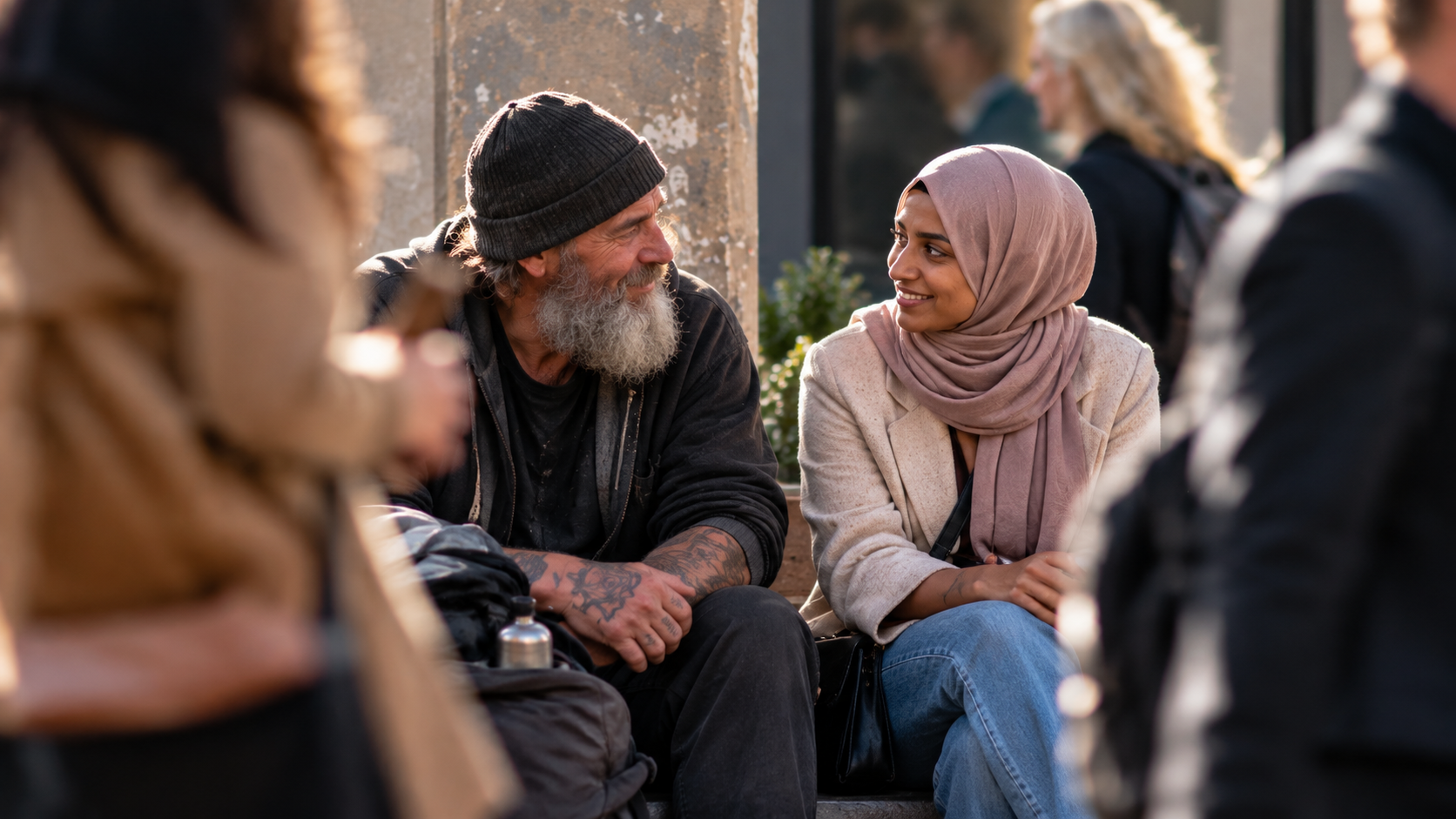
We often encourage people to be authentic and speak openly about their experiences. But how do we respond when they do? Do we listen with compassion, or do our reactions reinforce the very fears that kept them silent?
Justine described meeting a woman who openly shared that she was living with HIV. Witnessing her courage encouraged Justine to speak publicly about her own diagnosis for the first time. Yet when a colleague later suggested she shouldn’t include the experience in her book, the shame returned, and she delayed completing it for another year.
Our words and reactions matter, often more than we realise.
We may never know what someone has been carrying or how much courage it has taken them to share it. We don’t have to understand every aspect of their experience, and we don’t have to agree with every decision they’ve made. But we can recognise their humanity and respond without making them feel less worthy.
What Would Change If We Questioned Our Assumptions?
Perhaps we need to question both the judgements we carry about ourselves and those we make about other people. How often do we form an opinion about someone based on one aspect of their life, without knowing anything about the experiences that brought them there?
We cannot promise that everyone who speaks openly will be met with acceptance. But we can take responsibility for the way we treat people, the language we use and the assumptions we make.
And we can begin to challenge the belief that one experience, diagnosis or decision determines someone’s worth.
Because belonging should never depend on hiding parts of ourselves to make other people comfortable.
Brew the Change: Have the Conversation
This week, have a conversation about something you would normally avoid talking about. Share your perspective, invite others to share theirs and stay curious about what comes up.
Respect people’s privacy and allow them to decide what they’re comfortable sharing. The purpose isn’t to uncover someone’s secrets, but to make room for conversations that might help us understand one another better.
Watch the Conversation
In this episode of Chocolate and Coffee Break: A Compassionate Proposition, Justine Martin shares her experience of carrying shame for 32 years, the courage it took to speak openly and the unexpected acceptance she received from her family.
Watch the full conversation: https://youtu.be/_-WAW4fgUDE
Let Love Be the Loudest Voice.
Get in Touch with Us
We’d love to hear from you—share your thoughts or ask a question!