Belonging is one of those words we rarely stop to examine because we assume we already know what it means. We talk about helping children belong at school. We celebrate workplaces where people feel they belong. We speak about building communities where everyone is welcome. It sounds simple enough until we begin asking what belonging …
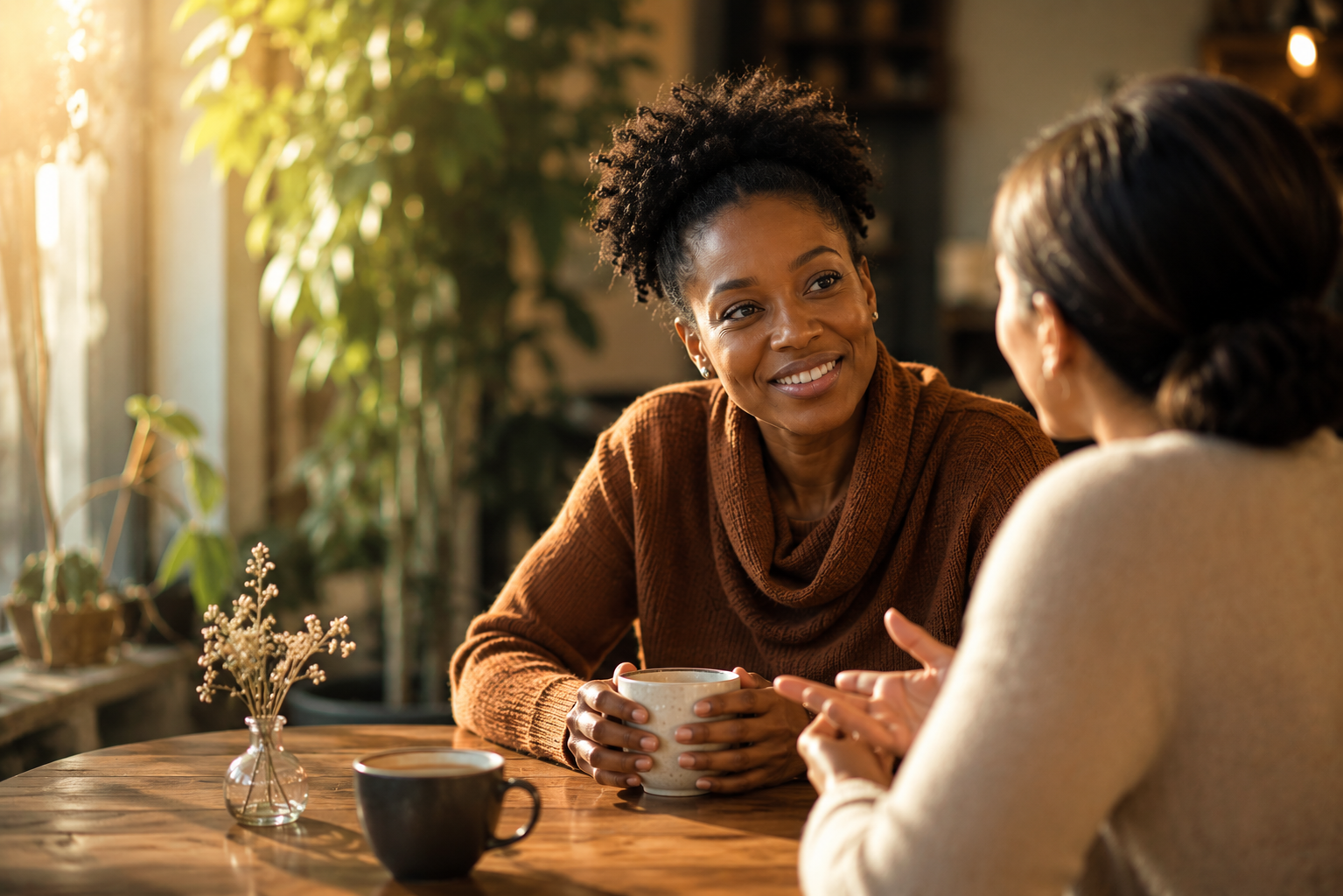
Belonging is one of those words we rarely stop to examine because we assume we already know what it means. We talk about helping children belong at school. We celebrate workplaces where people feel they belong. We speak about building communities where everyone is welcome. It sounds simple enough until we begin asking what belonging actually requires. Is it something other people give us when they accept us, or is there something more complex taking place beneath the surface?
For much of our lives, we quietly assume belonging comes from being accepted. If people understand us, include us and make room for us, then perhaps we will finally feel at home. It seems a reasonable assumption because belonging is, after all, relational. None of us belongs entirely on our own. Yet the more I think about it, the more incomplete that explanation feels. There are people who are warmly welcomed and still feel like outsiders. There are others who carry a deep sense of belonging despite spending much of their lives misunderstood. That suggests belonging is not quite the same thing as acceptance, even though we often use the words as though they mean the same thing.
We begin by looking for belonging in other people
Perhaps that is why so many of us spend years trying to fit before we ever experience belonging. We pay close attention to what is expected of us. We soften parts of ourselves that feel inconvenient. We learn which stories are easy to tell and which ones are easier to leave unsaid. Most of the time we do it so naturally that we barely notice. We simply assume this is what belonging requires.
During my conversation with Morenike Ogebe, she described growing up between African-American and Nigerian cultures. She spoke about never feeling completely at home in either, about being “not African-American enough” in one place and “not Nigerian enough” in another. It would be easy to hear that simply as a story about cultural identity, but I don’t think that is why it resonates. Most of us know what it feels like when the person we naturally are does not quite match the person someone else expected us to be. The details differ, but the experience is surprisingly familiar.
Then life quietly teaches us that fitting and belonging are not the same thing
What interested me wasn’t simply that Morenike had lived with that tension. It was what happened because of it. At one point she spoke about realising that she had to become comfortable simply being herself. Her parents had always encouraged her to be authentic, and over time she discovered that belonging could not depend entirely on meeting other people’s expectations.
That doesn’t mean acceptance stopped mattering. We all need relationships where we are known and valued. But perhaps belonging begins to change when we stop measuring ourselves by whether we have earned a place in someone else’s world. There is a quiet freedom in no longer asking every room to decide whether we are enough.
Not everyone who feels like an outsider becomes a bridge builder
There is no obvious reason why someone who has experienced exclusion should become someone who creates belonging for others. If anything, we might expect the opposite. We know people who have been hurt and become guarded. People who have been misunderstood and learned to withdraw. People who decide that protecting themselves is safer than risking another disappointment.
That happens, and it is understandable.
But it isn’t the only possibility.
Some people respond differently. Rather than allowing yesterday’s loneliness to define tomorrow’s relationships, they become deeply aware of what it feels like to stand on the outside looking in. That awareness doesn’t erase the hurt, but it can create a different kind of attentiveness. They notice the person standing alone. They recognise the hesitation in someone entering a room for the first time. They remember what it felt like to wonder whether there was a place for them.
Yet some people choose to become the space they were once searching for
That is what I began to see in Morenike’s story. The bridge building did not begin when she started helping Afghan refugee families settle into her community. It began years earlier, in the uncomfortable space between two identities, where she was constantly learning to understand perspectives that did not naturally understand one another.
The work she does today grows from those early experiences rather than standing apart from them.
It made me wonder whether this is true more broadly. Perhaps we often give away what we once needed most ourselves. The person who knows how to listen may have spent years feeling unheard. The person who notices those on the edge of the group may remember what it felt like to stand there. The person who quietly creates space for others may once have been searching for that very space.
That doesn’t make pain worthwhile, nor does it suggest that difficult experiences are somehow necessary. But it does remind us that hardship does not always have the final word. Sometimes it deepens our capacity to recognise another person’s humanity because we know something of what it feels like to have our own overlooked.
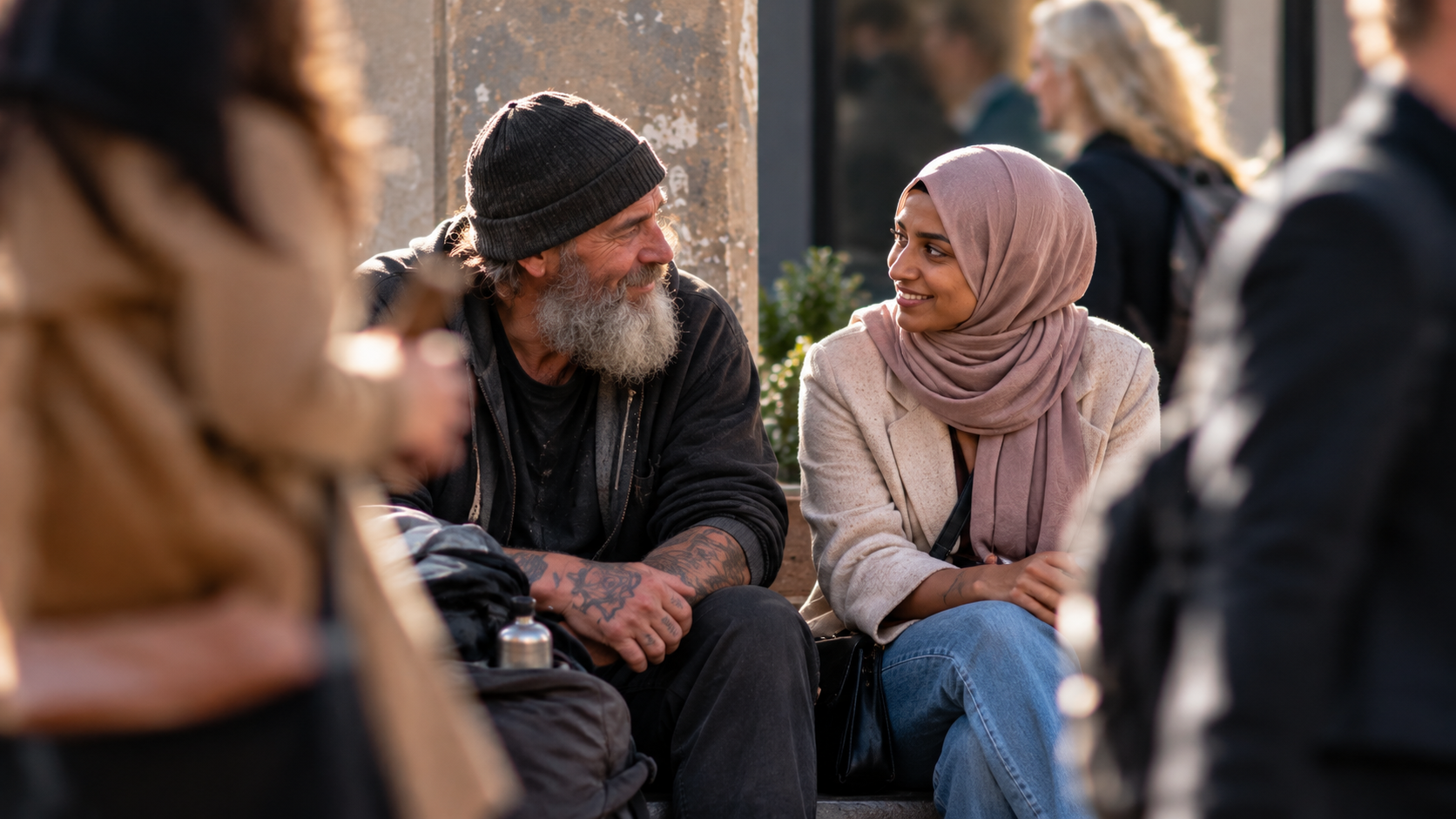
Perhaps belonging grows every time we make room for another person
Each week I invite viewers to take a Brew the Change challenge. This week’s challenge grew naturally from the conversation.
Notice where you feel most comfortable and where you instinctively pull back.
Maybe it’s a conversation. Maybe it’s a person. Maybe it’s someone who sees the world differently to you.
Instead of stepping away, stay a little longer.
Ask one more question.
Listen without needing to respond.
You don’t have to agree. You don’t have to change who you are. But you can choose to meet someone, even for a moment, in the space in between, because that’s where bridges begin.
At first glance, it sounds like a challenge about curiosity. The longer I sit with it, the more I think it is really a challenge about belonging. Every time we resist the instinct to retreat to what feels familiar, we create the possibility that another person might not have to leave part of themselves at the door. We may not solve the disagreement. We may not even change our minds. But we make a little more room for someone else’s story alongside our own.
Perhaps belonging has never been something we wait to receive. Perhaps it grows, quietly and almost unnoticed, every time someone decides to make room for another person without asking them to become someone else first. I don’t think that answers the question completely. If anything, it leaves me wondering whether the people who create the deepest sense of belonging are often those who remember exactly what it felt like to be searching for it themselves.
Watch the episode on YouTube
Get in Touch with Us
We’d love to hear from you—share your thoughts or ask a question!