The People We Walk Past I wonder how many people go to bed at night feeling invisible. Not because they're alone. In fact, many of them probably spent the day surrounded by people. They stood in a queue, sat in an office, walked through a shopping centre, served customers, attended meetings, and came home to …
The People We Walk Past
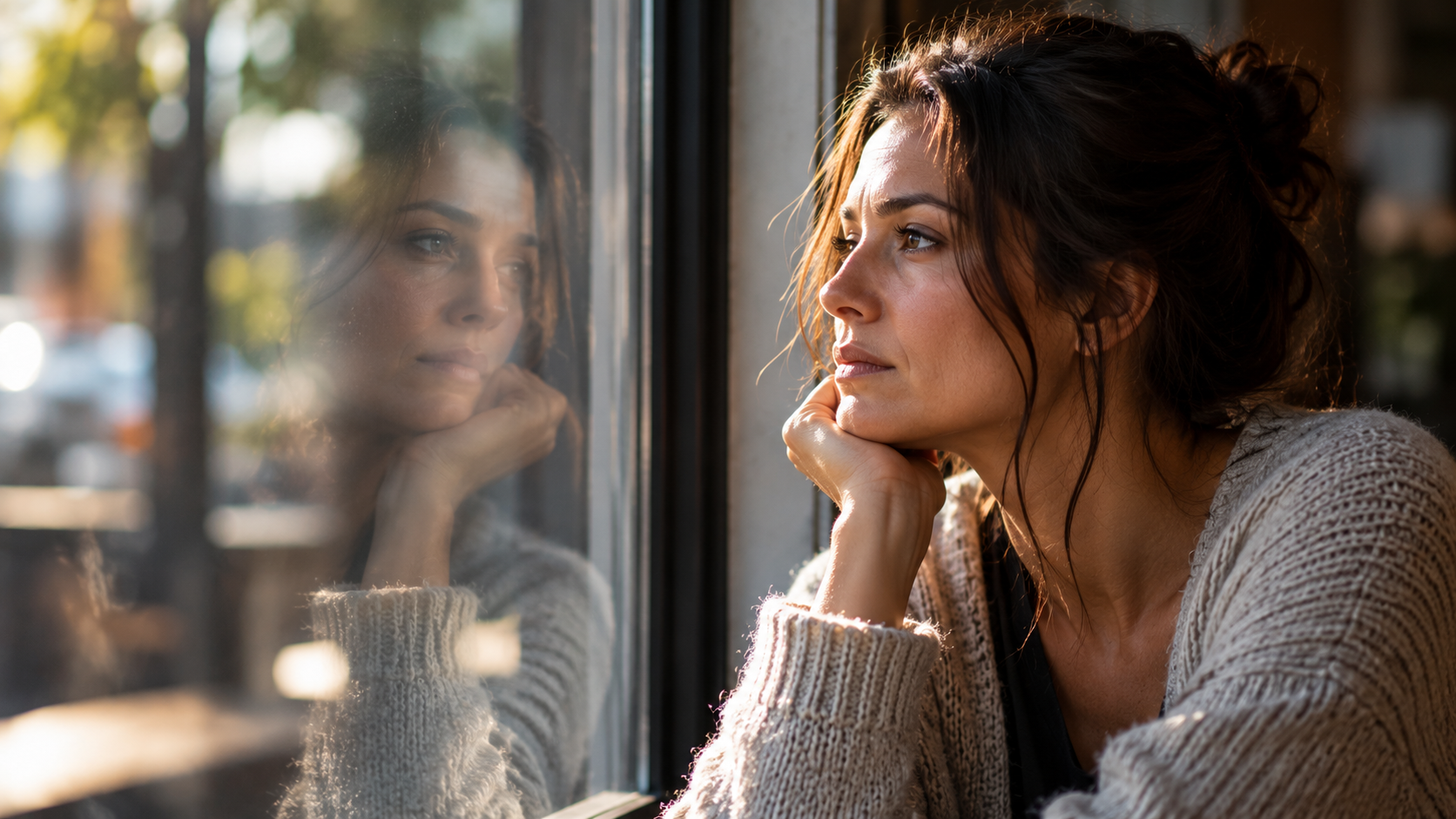
I wonder how many people go to bed at night feeling invisible.
Not because they’re alone. In fact, many of them probably spent the day surrounded by people. They stood in a queue, sat in an office, walked through a shopping centre, served customers, attended meetings, and came home to families. Yet somewhere in the middle of all of that, they carried the quiet feeling that nobody really saw them.
I think that’s one of the heartbreaks of our time. We are connected to everyone and everything, and yet so many people feel unseen.
The moments we didn’t realise mattered
A few years ago, if you went into a bank, you would probably have a conversation with someone. At the supermarket, you chatted with the person at the checkout. You might bump into someone in the street and stop for a few minutes. Those interactions weren’t particularly memorable at the time. They were simply part of everyday life.
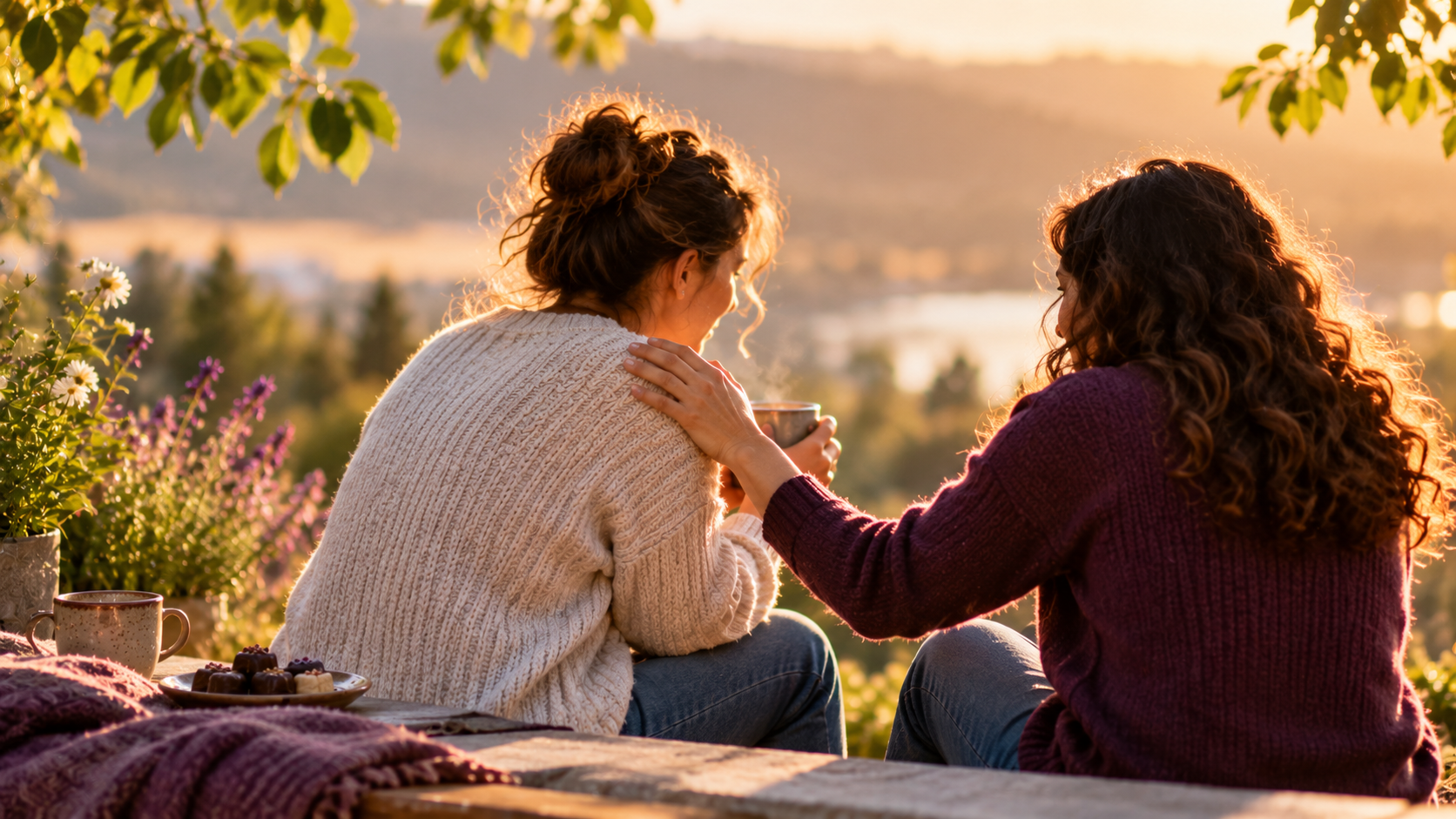
Looking back, I wonder whether those little moments were doing far more work than we realised. Perhaps they were quietly reminding us that we belonged to one another. Perhaps they were the threads that stitched communities together.
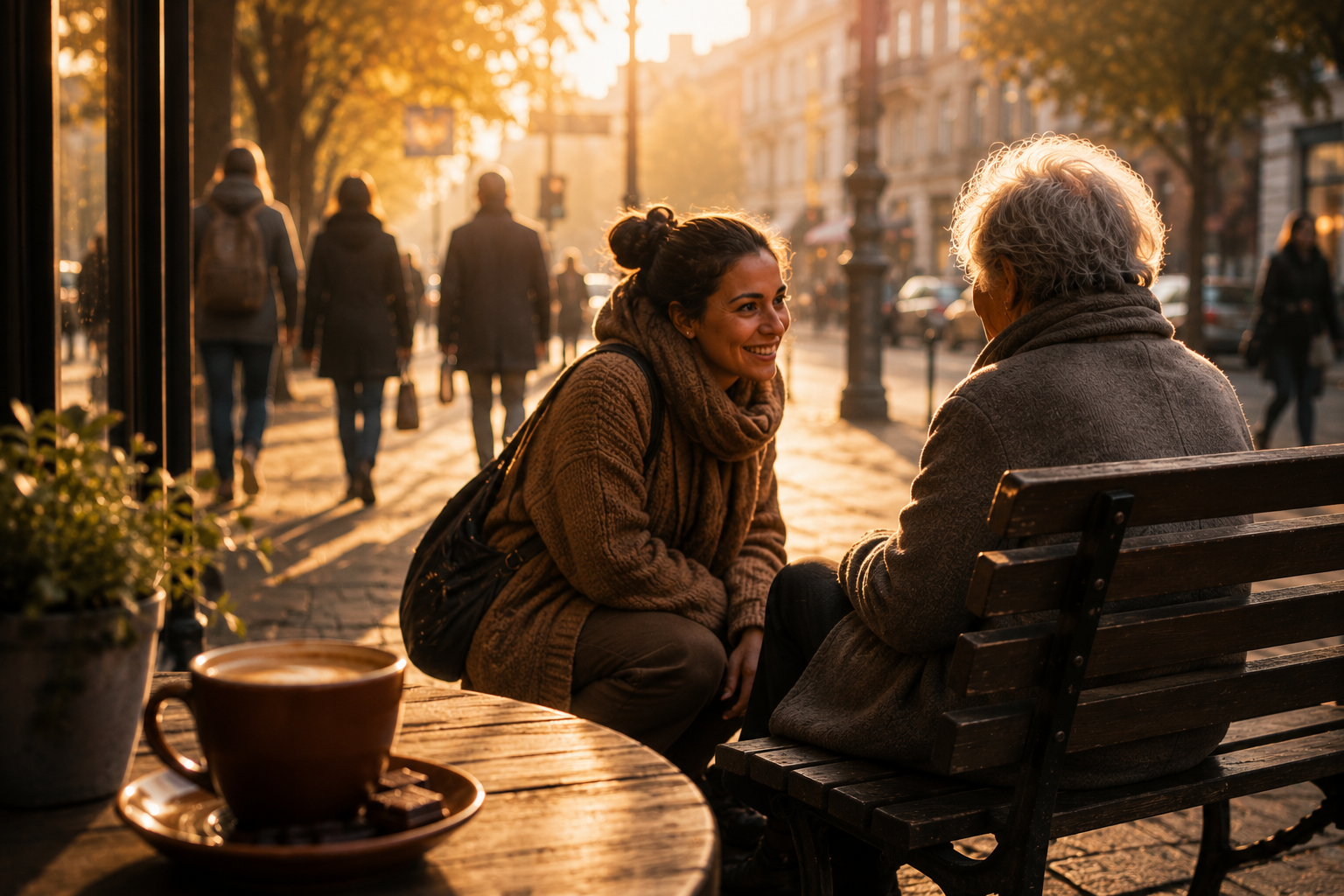
During my conversation with Sally Pymer, she shared the story of a woman sitting alone on a bench. Sally could tell she wasn’t okay, so she stopped, smiled, and asked a simple question: “Are you okay?” The woman talked for a while, and when it was time to leave, she said something that has stayed with me.
“The most valuable thing you could have done for me today is see me.”
Not fix me. Not solve my problems. Not make everything better. Just see me.
There is something profoundly human in that.
We all want to know we matter
I think most of us know that feeling, even if our circumstances are very different. There have been moments in my own life when I have walked into a room and wondered if I belonged there. Moments when I have felt misunderstood, or questioned my place, or felt as though I was standing on the outside of something looking in.
Underneath all the labels we give ourselves and one another, underneath our different beliefs, backgrounds, and experiences, I think there is a longing that is remarkably universal. We want to know that we matter. We want to know that our presence makes a difference and that someone would notice if we weren’t there.
Perhaps that is why something as simple as a smile can have such an impact. It isn’t really about the smile itself. It is about what the smile communicates.
I see you.
You’re welcome here.
You matter.
The people we decide not to see
This conversation also left me sitting with a more uncomfortable question.
Who have I learned to walk past?
Who do I avoid looking at because I feel awkward, uncertain, or afraid of saying the wrong thing? Who have I quietly decided I understand without ever hearing their story?
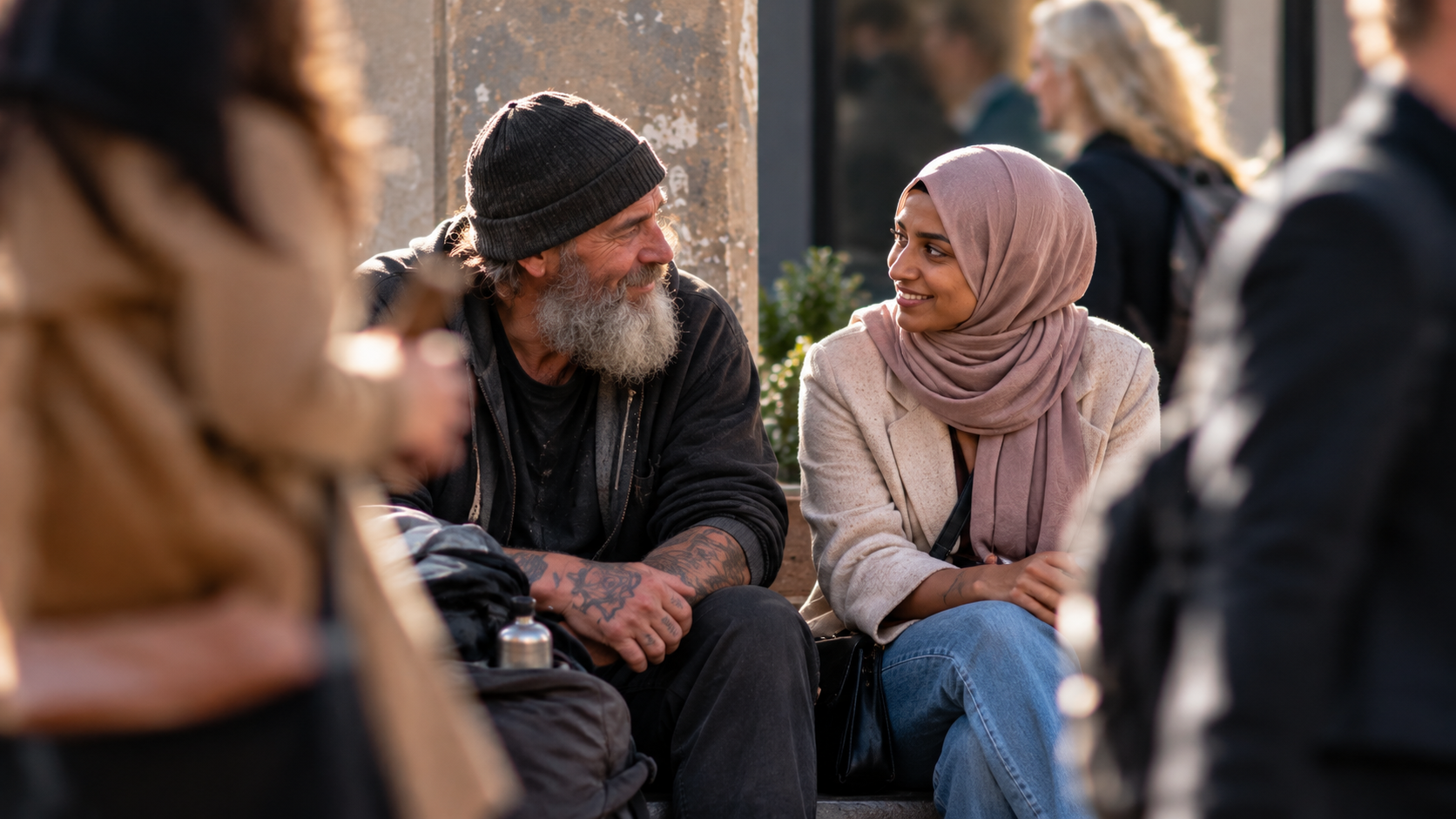
During times when antisemitism has been rising, I’ve found myself intentionally smiling at someone who is visibly Jewish. During periods of heightened Islamophobia, I’ve done the same with a woman wearing a hijab. I don’t know whether those moments changed anything for the other person, but I know what I wanted to communicate.
You’re welcome here.
You’re safe with me.
I see you.
A smile cannot solve prejudice or heal every hurt in our communities. But it can create a moment of recognition. And sometimes that is where trust begins. Sometimes that is where barriers soften and belonging quietly starts to grow.
Brewing the change
At the end of every episode of Chocolate and Coffee Break, we invite people to Brew the Change.
This week’s invitation is beautifully simple. Offer three genuine smiles to people you might normally walk past. Not the polite, automatic kind, but the kind that says, “I see you.” It might be a neighbour, someone sitting alone, or the person serving your coffee.
Then simply pay attention.
Notice whether a conversation begins. Notice whether someone smiles back. Notice whether the interaction changes the atmosphere, even for a moment.
And perhaps notice what happens inside you as well.
Because every time we choose to acknowledge another person, we are doing something more than being kind. We are pushing back, in a very small way, against the growing sense of invisibility that so many people carry.
Maybe the question worth taking into the week ahead is not whether our smiles can change the world.
Maybe it is this:
Who have I been walking past that simply needs to know they have been seen?
Watch the episode with Sally Pymer on YouTube
Get in Touch with Us
We’d love to hear from you—share your thoughts or ask a question!